
Hot Water Smells Like Rotten Eggs in Florida? Causes & Fixes
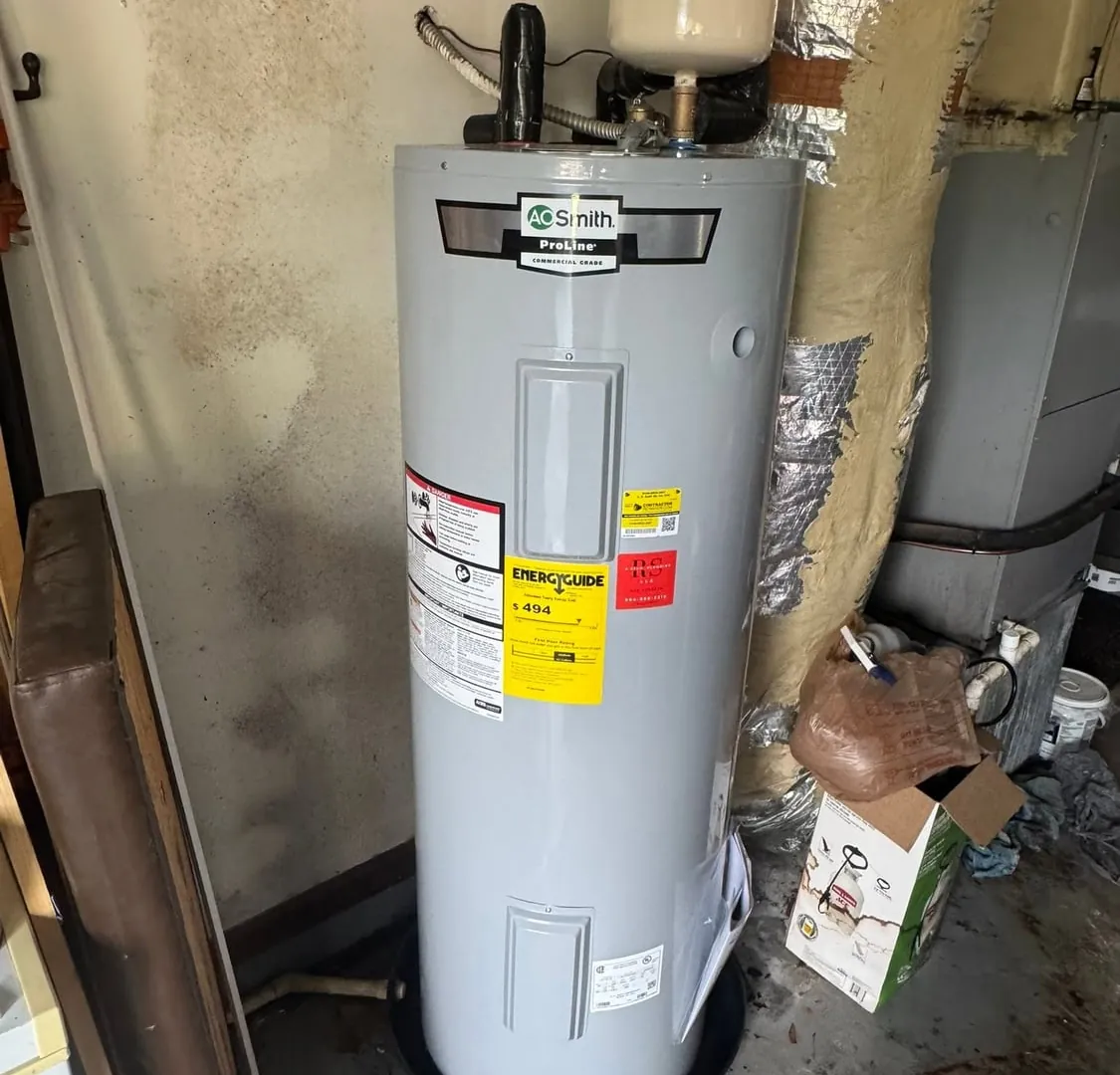
If your cold water smells normal but the hot water smells like rotten eggs, you are probably not dealing with a city-wide water problem. In many Florida homes, that sulfur odor is created inside the water heater itself. The smell can show up after a vacation, during humid summer months, or seemingly out of nowhere — and it often gets stronger when you run a shower, fill a bathtub, or use hot water at several fixtures.
The good news is that this problem usually has a logical cause. The better news is that a few simple checks can tell you whether the odor is coming from the water heater, one fixture, or the incoming water supply. Once you know the source, the fix becomes much clearer.
Quick answer
When only the hot water smells like rotten eggs, the most common cause is hydrogen sulfide gas produced inside a tank-style water heater. The reaction usually involves naturally occurring sulfate in the water, harmless sulfur-reducing bacteria, and hydrogen released as the water heater’s sacrificial anode rod corrodes.
If both hot and cold water smell at every faucet, the source may be the incoming water supply instead. If only one faucet smells, the issue may be a dirty aerator, a dry drain trap, or bacteria in a fixture line rather than the water heater.
Why the smell shows up on the hot side
A conventional tank water heater is warm, dark, and relatively still inside. That makes it a comfortable place for certain bacteria to live. These bacteria are not usually the kind that make people sick, but they can create a very noticeable odor.
The anode rod connection
Most tank water heaters contain a sacrificial anode rod. Its job is to corrode before the steel tank does. Without it, the tank would rust through much faster.
Many anode rods contain magnesium. As the magnesium protects the tank, it releases hydrogen into the water. If the water contains sulfate and sulfur-reducing bacteria, that combination can create hydrogen sulfide gas. Hydrogen sulfide is the compound responsible for the rotten egg smell.
That is why homeowners often say, “The cold water is fine, but the hot water stinks.” The smell is not necessarily entering the house that way. It may be created after the water reaches the tank.
Sediment can make the problem worse
Florida’s mineral-heavy water can leave sediment in the bottom of a tank. That sediment gives bacteria more surfaces to live on and can trap odor-causing material. Sediment also makes the heater work harder, which is why some homeowners notice popping or rumbling sounds along with the smell.
A basic flush may reduce the odor for a short time, but it often comes back if the anode rod and bacteria source are not addressed.
Vacations and low-use periods
The smell is often worse after a home sits empty. Water that stays warm and unused in the tank gives bacteria more time to multiply. Seasonal residents and homeowners returning from travel may notice the odor during the first few showers after they get back.
If the smell disappears after several days of normal use, that may suggest the tank simply needed to be flushed and refilled. If it returns every time the home sits for a while, the tank likely needs maintenance or a different type of anode rod.
Safe checks you can do first
Before assuming the water heater is the problem, run a few simple tests. These checks do not require tools and can save time when you call a plumber:
- Compare hot and cold at the same faucet. Run cold water for 30 seconds and smell it. Then run hot water and compare. If only the hot side smells, the water heater is the likely source.
- Check more than one fixture. Test a bathroom sink, kitchen sink, and shower. If every hot-water outlet smells, the issue is probably system-wide. If only one fixture smells, clean the aerator or showerhead first.
- Smell the drain, not just the water. Sometimes a dirty drain makes clean water seem smelly. Fill a clean glass with hot water, step away from the sink, and smell the glass. If the glass smells fine but the sink area does not, the drain may be the issue, and a drain cleaning can resolve it.
- Think about timing. Did the odor start after a vacation, after a new water heater was installed, or after a long stretch of hot weather? Those clues help narrow the cause.
- Do not remove the anode rod yourself. Taking the rod out may stop the smell temporarily, but it removes the tank’s corrosion protection and can shorten the life of the heater.
Fixes that actually last
The right fix depends on the age of the heater, the type of anode rod, the amount of sediment, and whether the odor is limited to hot water.
Flush and sanitize the tank
A controlled flush removes sediment and loose debris. In some cases, the tank and hot-water lines can also be sanitized. This is often the first step when the odor is mild or the heater has not been serviced in years.
A flush alone may not permanently solve the problem if the anode material is feeding the reaction. Still, it is useful maintenance and can improve efficiency at the same time.
Replace the anode rod with a different material
If the tank is otherwise in good condition, replacing a magnesium anode with an aluminum-zinc or powered anode may stop the odor while continuing to protect the tank. This is one of the most common long-term solutions when the smell is clearly coming from the water heater.
A professional can also check whether there is enough clearance above the heater to remove the old rod. In tight garages, closets, and attic installations, a flexible or segmented anode may be needed.
Consider replacement when the tank is near the end of its life
If the heater is older, rusted, leaking, or struggling to keep up, putting money into repeated odor treatments may not make sense. A newer unit, installed correctly and maintained regularly, may be the better investment.
When repair is no longer practical, R Stud Plumbing provides water heater repair and replacement with a written quote before work begins.
Why this is common in Northeast Florida
Northeast Florida homes deal with a combination of heat, humidity, mineral content, and long cooling seasons that keep water heaters working year-round. Some homes use municipal water; others outside the core service area may use private wells. Either supply can contain dissolved minerals and sulfate. The difference is how the water behaves once it sits inside a warm tank.
Homes in Jacksonville, Orange Park, St. Augustine, and nearby communities also have water heaters installed in garages, closets, attics, and utility rooms where access can be tight. That makes professional diagnosis useful, especially when the anode rod is difficult to reach or the heater has never been serviced.
If your home is in Duval County and the smell is limited to hot water, booking water heater service in Jacksonville can help determine whether a flush, anode change, or replacement is the right move.
When to call a plumber
Call a professional if:
- The odor is strong enough to notice throughout the house.
- Both hot and cold water smell at multiple fixtures.
- The water heater is making popping, rumbling, or hissing sounds.
- The hot water looks rusty, cloudy, or discolored.
- The tank is leaking or the unit is near the end of its expected life.
- The smell returns within days or weeks after flushing.
A plumber can confirm whether the problem is the tank, the supply, a fixture, or the drain. That matters because treating the wrong source wastes money and lets the real issue continue.
FAQs
Is rotten egg-smelling hot water dangerous?
Usually, the odor itself is more unpleasant than dangerous at typical household levels. However, the underlying conditions can shorten the life of the water heater and may indicate sediment or maintenance problems. If anyone in the home has health concerns or the water also appears contaminated, have the system checked.
Why does only my shower smell like rotten eggs?
If only one shower smells, the problem may be the shower drain, a dirty showerhead, or bacteria in that fixture line. Fill a clean glass with hot water from another fixture and compare. If the glass does not smell, the water heater may not be the source.
Will flushing the water heater fix the smell permanently?
Sometimes, but not always. Flushing can remove sediment and reduce bacteria temporarily. If the anode rod is contributing to the reaction, the odor may return until the rod is replaced or the tank is sanitized.
Should I remove the anode rod to stop the odor?
No. Removing the rod may reduce the smell, but it leaves the tank without corrosion protection. A better option is replacing it with a different anode material or a powered anode designed for odor control.
Does a tankless water heater prevent this problem?
Tankless units do not have a storage tank or sacrificial anode rod, so they are less likely to create this exact odor pattern. However, scale buildup and incoming water quality can still affect performance and odor. The best choice depends on the home, water supply, and installation requirements.
Bottom line
If your cold water is clear but your hot water smells like sulfur, start with the water heater. A flush may help, but the lasting fix often involves the anode rod, sediment removal, or replacement of an aging tank.
R Stud Plumbing serves Jacksonville, Orange Park, St. Augustine, and nearby Northeast Florida communities with practical diagnosis and upfront pricing. To schedule a plumbing visit, call (904) 868-2319 or request service online.

Need plumbing service?
Request service online or call our team for installation, repair, and maintenance.


Ready when you are
Plumbing emergency? We're on the way.
(904) 868-2319Call (904) 868-2319 or request service online — fast, reliable service every day of the year.
Big repair? Financing is available through Wisetack — see if you prequalify .