5 signs you need to repipe your home
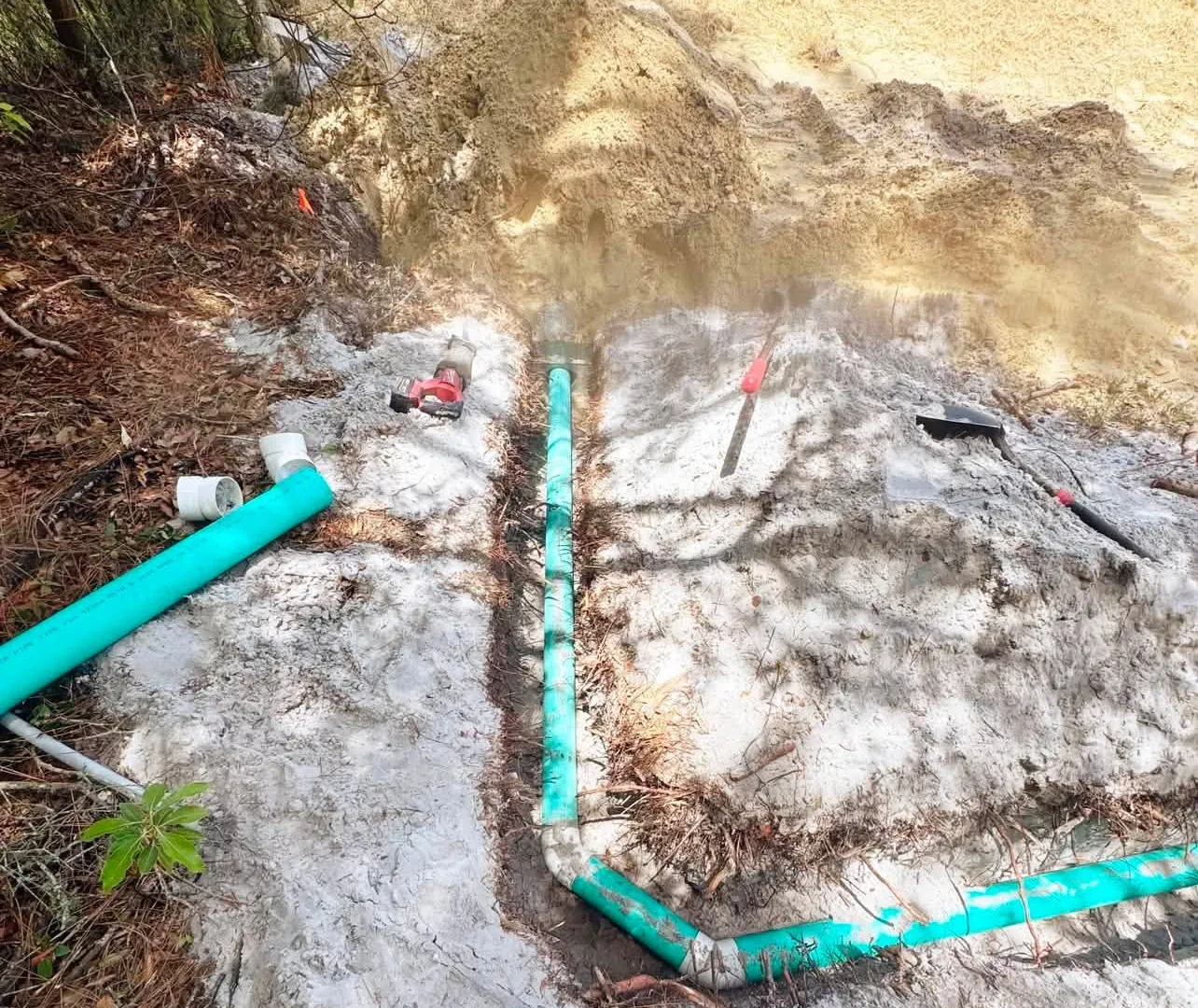
You’ve noticed something’s off with your plumbing. Maybe it’s a slow drop in water pressure, or water that looks a little brown for a second when you first turn it on. Maybe you’ve fixed one small leak, only to have another pop up somewhere else.
You’re starting to wonder if these are all connected.
Most of the time, they are. The most common signs you need to repipe your home are having known-risk pipe materials, frequent leaks, discolored water, or a drop in water pressure across the entire house.
I’ll walk you through what to look for, from the most definite signs to the ones that just suggest a problem.
1. Your pipe material is a known risk
This is the biggest one.
Some pipe materials are a known risk, and their presence alone is a good reason to plan for a repipe, even if you don’t have any other symptoms yet. The age of the pipe itself isn’t the only factor (probably less than you think), but the material is key.
There are three main culprits we look for:
- Galvanized steel: If your home was built before the 1960s, there’s a good chance you have galvanized pipes. These corrode from the inside out, restricting water flow and eventually leaking.
- Polybutylene: This gray plastic pipe was common from the late 1970s to the mid-1990s. It’s notorious for becoming brittle and failing suddenly without any warning.
- Lead pipes or solder: Lead is a serious health hazard. The EPA has found no safe level of lead exposure, and federal rules now require water systems to replace lead service lines.
Homes in newer parts of Jacksonville likely have modern copper or PEX. But if you’re in one of the city’s beautiful historic districts like Riverside, Avondale, or Springfield, we find original galvanized lines and old lead solder all the time.
2. You’re seeing frequent leaks
One pinhole leak can be bad luck.
But when you fix a leak in the laundry room, and then a few months later you’ve got another one under the kitchen sink, that’s not a coincidence. You start thinking, “this leak will keep happening.”
That’s a pattern.
That pattern can mean the pipe walls are getting thin throughout your entire system. Patching one spot doesn’t solve the underlying problem.
That’s a plumbing nightmare.
3. Your water is discolored
When you turn on a faucet and get a burst of yellow, brown, or rusty-looking water, that’s a common sign of corrosion inside your pipes.
The important thing to check is whether it’s happening at multiple taps. If it’s just one faucet, the issue might be with that fixture. But seeing it in the kitchen and the bathroom points to a problem in your supply lines.
Here’s a tip: if you only see discoloration in the hot water, the anode rod in your water heater is probably the problem, not your pipes. That’s a much simpler fix.
4. Water pressure is weak everywhere
Like discolored water, this only counts if it’s happening all over the house.
If your shower feels weak, check the kitchen sink and an outdoor hose spigot, too. When they’re all low, it could be from corrosion or mineral buildup narrowing the inside of your pipes.
If it’s just one fixture that’s weak, the cause is usually a simple clogged aerator, which you can often unscrew and clean yourself.
5. Your pipes are getting noisy
(you guessed it) This is one of the less certain signs, but it can point to trouble.
You might hear banging when you turn off the water (called water hammer), rattling, or whistling. The same corrosion and buildup that restricts flow can cause these noises.
It can also just mean the straps that hold your pipes in place have come loose. That’s a simple adjustment, not a reason for a repipe.
How to know for sure if you need a repipe
A single one of these signs, especially a noisy pipe, doesn’t automatically mean your whole house needs new plumbing.
What I often find is that a single pinhole leak on an old copper line is just one failed solder joint from the original install, not a sign the pipe itself is bad. That’s a repair, not a repipe.
The real confirmation comes from the combination of signs. Do you have old galvanized pipes and low pressure? Have you had multiple leaks and you’re seeing discolored water?
That’s when it’s time to get a professional opinion.
We can identify your pipe material and test the pressure throughout your home to see if the problem is systemic. For a professional inspection to see if your home needs a whole-house repipe, give us a call. We’ll give you a clear assessment of what’s going on.
What happens if you wait?
Ignoring these signs means more than just living with low pressure or rusty water.
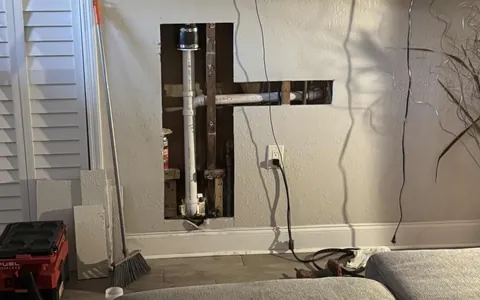
The real risk is a catastrophic failure. A pipe that finally bursts can cause serious, expensive water damage to your floors, drywall, and furniture in a matter of minutes.
Those small, recurring leaks are warnings that a bigger one is likely on its way.
What to do next
If you’re seeing a pattern of these signs, especially in an older home in an area like Riverside or Avondale, it’s time to get an expert to take a look.
You don’t have to figure this out on your own.
If you think your plumbing system is showing its age, give R Stud Plumbing a call. We can inspect your pipes, confirm the problem, and give you a clear, honest quote for what it would take to solve it. And if a small leak suddenly becomes a big one, we’re ready to help day or night.
Need plumbing service?
Request service online or call our team for installation, repair, and maintenance.
Ready when you are
Plumbing emergency? We're on the way.
(904) 868-2319Call (904) 868-2319 or request service online — fast, reliable service every day of the year.
Big repair? Financing is available through Wisetack — see if you prequalify .