Pipe Burst: Causes, Warning Signs, and Exactly What to Do
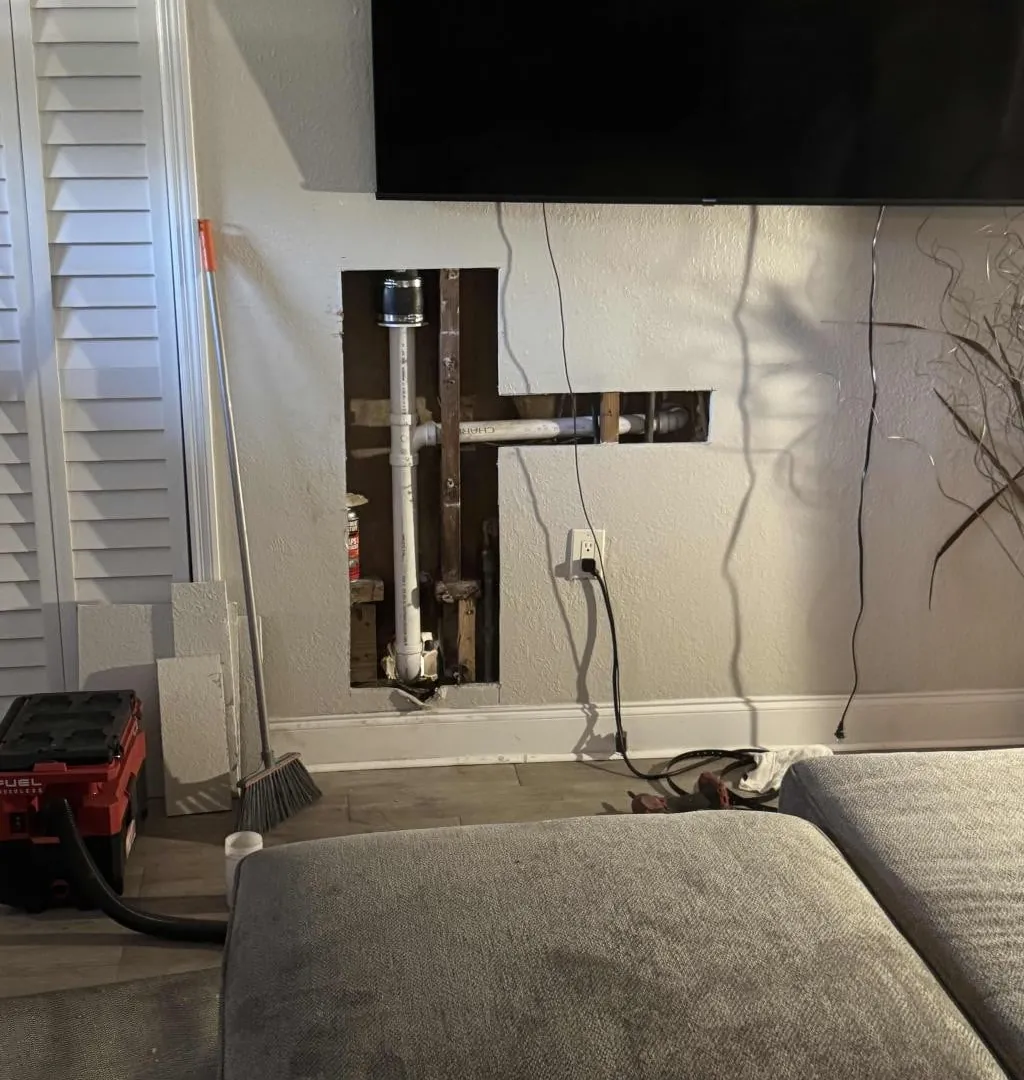
A burst pipe is one of the most damaging plumbing emergencies a home can face — hundreds of gallons per hour pouring into walls, floors, and ceilings. But bursts rarely come from nowhere. They have causes, warning signs, and a right way to respond that dramatically reduces the damage. Here is everything a homeowner should know.
What Causes Pipes to Burst?
Freezing
The classic cause. Water expands roughly 9 percent as it freezes, and it freezes from the outside in — trapping a plug of ice in the pipe while pressure builds between the ice and the closed faucet behind it. The pipe splits not where the ice is, but at the weakest point downstream, where pressure spikes. Unprotected pipes in attics, garages, and exterior walls are the prime targets.
Age and Corrosion
Galvanized steel corrodes from the inside, thinning until the wall fails under normal pressure. Copper develops pinholes from acidic water and erosion. Older Florida homes carry decades of this quiet wear, and a failure can happen at full pressure with no warning at all.
High Water Pressure
Pressure above 80 psi strains every joint, valve, and appliance connection in the system, constantly. Over years, that stress finds the weakest fitting. If your pipes bang, your pressure is worth testing — it is one of the most preventable burst causes there is.
Physical Damage and Shifting
Soil movement, foundation settling, renovation nails through walls, and shifting slab homes all flex or strike buried and hidden piping. The damage may not leak immediately — it weakens the pipe and lets go weeks later under ordinary pressure.
Clogs and Blockages
A severe clog turns a pipe into a pressure vessel. Blocked lines trap water behind the obstruction, and sustained pressure finds a weak seam or joint. This is one reason chronic clogs deserve real repair, not just repeated clearing.
What Temperature Do Pipes Burst At?
Pipes burst when the water inside them freezes — which means sustained temperatures at or below 32 degrees Fahrenheit. The real risk zone is when outdoor temperatures drop below 28 degrees and stay there for several hours, which is long enough for exposed and poorly insulated lines to freeze solid. Florida homes are especially vulnerable because they are built for heat: pipes run through unconditioned attics and garage walls with little insulation, and hard freezes are rare enough that homeowners are unprepared when they arrive. Wind chill accelerates the process on exposed runs. The burst itself often happens during the thaw — pressure spikes as ice plugs shift and water rushes into the remaining ice.
Signs of a Burst Pipe
-
The sound of running or spraying water inside walls, with every fixture off
-
Water stains appearing on ceilings or walls, often spreading quickly
-
Unexplained puddles on floors, or water seeping from under baseboards
-
A sudden, dramatic drop in water pressure throughout the house
-
A water bill that spikes without explanation
-
Damp or warm spots on floors (for slab lines)
Any one of these with a recent freeze behind it is a burst until proven otherwise.
What to Do the Moment a Pipe Bursts
-
Shut off the main water valve immediately — this single step limits damage more than anything else. Know where yours is before you need it: usually where the line enters the house or at the meter. If the valve itself is stiff or corroded, that is a repair worth scheduling too — the one night you need it is not the night to fight it
-
Turn off electricity to any area where water is near outlets, switches, or appliances
-
Open cold faucets to drain remaining water from the lines and relieve pressure
-
Contain and document — buckets under active leaks, towels on floors, photos for insurance
-
Call a licensed plumber — burst pipe repair is not a DIY job; the damaged section needs proper cutting, fitting, and pressure testing
FAQ
How long does it take for a pipe to burst in a freeze?
In a hard freeze below 28 degrees, an exposed pipe can freeze and burst within a few hours. Insulated pipes in conditioned space hold out much longer — often through an entire cold snap.
Can a burst pipe be repaired, or does it need replacing?
Short answer: repaired. A plumber cuts out the burst section and replaces it with new pipe using proper fittings. Widespread corrosion is the exception — if one section failed from age, the surrounding pipe often deserves evaluation too.
How much does a burst pipe repair cost?
It varies enormously by location — an accessible garage line is a fraction of the cost of a burst pipe under a concrete slab. The water damage usually costs more than the plumbing, which is why fast shutoff matters so much.
Will homeowners insurance cover a burst pipe?
Sudden, accidental bursts are typically covered — including resulting water damage — while damage from slow, neglected leaks usually is not. Document everything and contact your insurer promptly.
How do I know if a pipe burst inside a wall?
Listen for hissing with fixtures off, look for spreading stains or bubbling paint, and feel walls for cold damp patches. The meter test confirms it: everything off, meter still moving, water is escaping somewhere.
Conclusion
Pipes burst from freezing, age, pressure, damage, and blockages — and every one of those has warning signs in the weeks before failure. Know your main shutoff, watch the signs, and treat unusual sounds, stains, and bills as the early warnings they are.
Dealing with a burst pipe right now? we answer nights, weekends, and holidays — or request emergency service online. Fast response across Northeast Florida with upfront pricing, every day of the year.
Need plumbing service?
Request service online or call our team for installation, repair, and maintenance.
Ready when you are
Plumbing emergency? We're on the way.
(904) 868-2319Call (904) 868-2319 or request service online — fast, reliable service every day of the year.
Big repair? Financing is available through Wisetack — see if you prequalify .