Polybutylene Pipes in Florida: Insurance Risks & Replacement Options
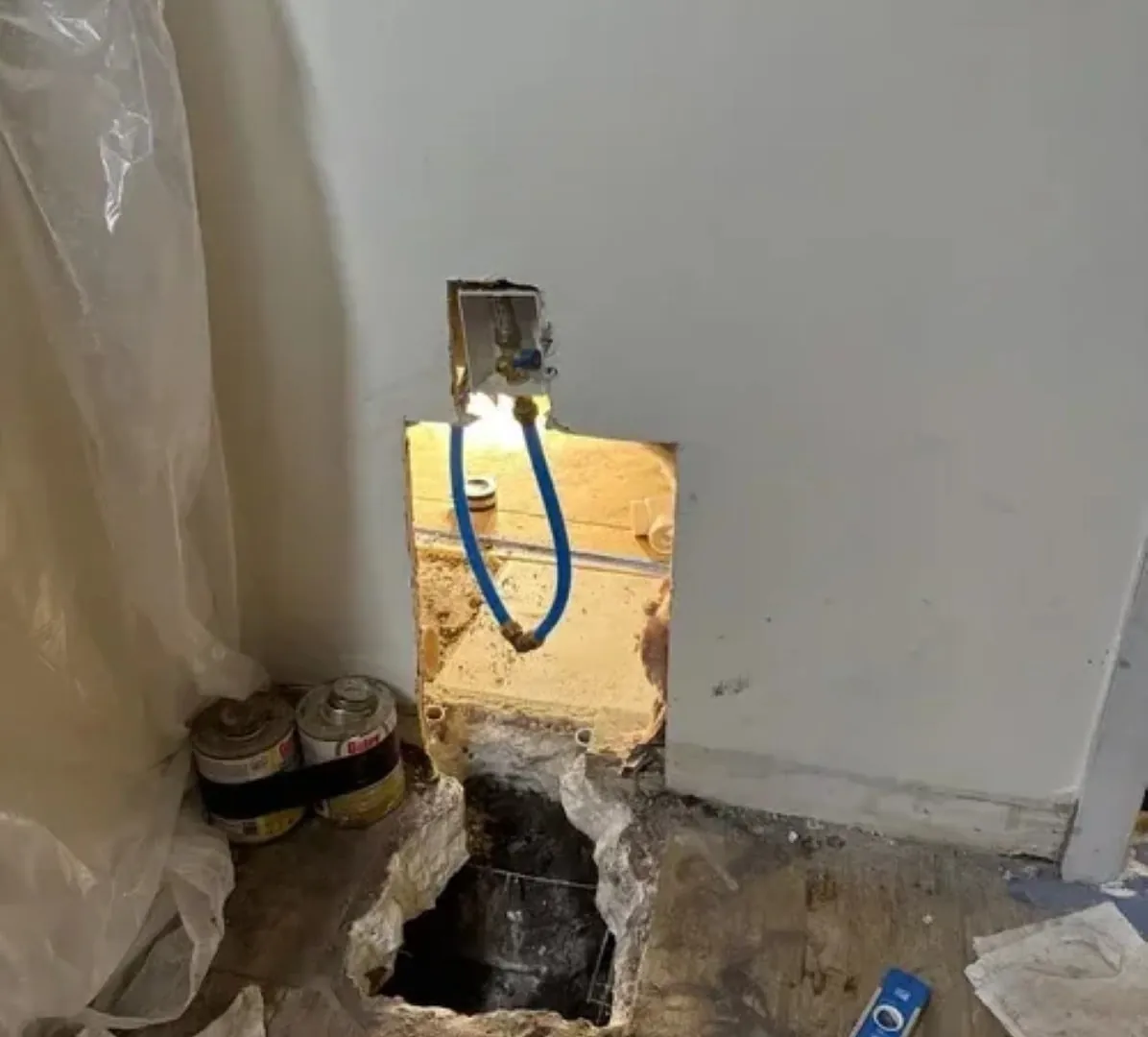
If your Florida home was built between the late 1970s and the mid-1990s, there is a chance the water supply lines are polybutylene. Many homeowners do not know what material is behind their walls until a home inspector, insurance agent, or plumber points it out. By then, the question is usually urgent: “Is this a problem, and do I need to replace it?”
Polybutylene, often called PB or poly pipe, was popular because it was inexpensive, flexible, and fast to install. Decades later, it has become a concern because it can deteriorate from the inside and fail without much warning. In Florida, the issue is not only the risk of water damage. It can also complicate homeowners insurance, real estate transactions, and 4-point inspections.
This guide explains how to recognize polybutylene, why insurers treat it cautiously, and what replacement usually involves.
What polybutylene pipe looks like
Polybutylene is a flexible plastic water supply pipe. It is most often gray, though some sections may appear blue, black, or off-white depending on the product and where it was installed.
Common places to look include:
- Under bathroom and kitchen sinks.
- Near the water heater.
- At the main shutoff area.
- In the attic or garage where supply lines are visible.
- Where the main water service enters the home.
Many polybutylene pipes are stamped with PB2110. That marking is one of the clearest ways to identify the material. Keep in mind that polybutylene is a supply-line material. It is not the same as PVC drain pipe, and it is not used for sewer lines.
If you see a gray plastic pipe but are unsure what it is, a licensed plumber can confirm the material during an inspection.
Why polybutylene fails
The main concern with polybutylene is internal deterioration. Oxidants used to treat public water supplies can react with the pipe material over time. The inside of the pipe can become brittle, develop small fractures, and eventually split.
What makes this frustrating for homeowners is that the outside of the pipe may look normal. A supply line can appear intact while the inner wall is already weakened. Fittings and connection points can also become failure points.
Florida conditions can add stress. Warm temperatures, high water demand, mineral content, and year-round use mean the plumbing system rarely gets a long break. Older neighborhoods across Jacksonville, Orange Park, St. Augustine, and surrounding areas also contain many homes from the era when PB was commonly installed.
Why insurance companies care
For insurers, polybutylene is not just another older building material. It is associated with a higher likelihood of sudden water damage claims.
That does not mean every carrier handles PB pipe the same way. Some may decline coverage, some may require replacement, and others may restrict water-damage coverage. The exact answer depends on the carrier, the age of the home, the inspection findings, and the policy form.
Citizens Property Insurance provides a useful example. Its current FAQ says dwellings 20 years old or newer with polybutylene piping may be eligible if there are no signs of leaks, unrepaired water damage, disrepair, or hazards. It also says new-business risks over 20 years old with polybutylene piping are not insurable for several listed policy forms. You can review the current language directly in the Citizens polybutylene pipe FAQ.
Private insurers may use different rules, but the broader point is the same: if you own an older Florida home, the pipe material can affect more than plumbing performance. It can affect insurability.
How polybutylene affects home sales
PB piping often comes up during a buyer’s inspection or a 4-point insurance inspection. A home may look updated on the surface while still having original supply lines behind the walls.
That can create problems such as:
- The buyer’s insurer requiring more information.
- A last-minute request for a plumber’s evaluation.
- A request for replacement before closing.
- A price reduction or repair credit.
- A delayed closing while documentation is gathered.
For sellers, replacing the pipe before listing can remove a common objection. For buyers, identifying PB early gives you time to understand the condition of the system and negotiate with better information.
If the property is being sold, documentation matters. Keep permits, invoices, photos, and final inspection records showing what was replaced and when.
Can you repair only the leaking section?
A small repair may stop an active leak, but it does not change the age or material of the rest of the system. If one section of polybutylene has failed, the remaining sections are the same age and may have been exposed to the same conditions.
That is why many plumbers recommend replacement rather than repeated spot repairs. A patch can be appropriate in some circumstances, but it should be treated as a short-term decision, not a permanent solution.
The same logic applies to visible sections only. Replacing the gray pipe you can see under a sink does not address PB pipe hidden in walls, ceilings, attics, or underground service lines.
What replacement usually includes
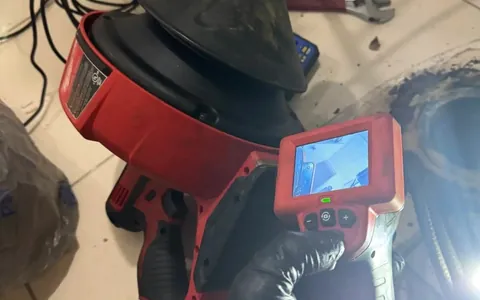
A proper replacement starts with mapping the plumbing system. The plumber identifies where PB pipe exists, how the home is laid out, which fixtures are affected, and whether the service line from the meter to the house also needs attention.
For many homes, the answer is whole-house repiping with modern PEX or another approved material. PEX is common because it is flexible, durable, and can often be routed through existing spaces with less demolition than older repipe methods.
A typical project may include:
- Inspection and scope. Confirm the pipe material and map accessible lines.
- Written quote. Review the fixtures, access points, permits, and restoration scope.
- Permitting. Pull permits where required by the county or municipality.
- Installation. Replace the supply lines and make new fixture connections.
- Pressure testing and inspection. Verify the new system before walls are closed.
- Documentation. Provide records you can share with an insurer, buyer, or agent.
If the PB pipe extends to the underground service line, that section may require main water line repairs or replacements as part of the larger plan.
How disruptive is a repipe?
Most homeowners expect the worst. In reality, an experienced crew plans access points carefully and keeps the home usable whenever possible. There may be short periods when water is turned off, and some drywall access is usually required, but the process is more organized than many people fear.
The size of the home, number of bathrooms, pipe routing, and finish materials all affect the timeline. The most important step is getting a clear scope before work begins so you know what will be opened, what will be replaced, and how restoration will be handled.
What documentation should you keep?
If insurance is part of the reason for replacing PB pipe, paperwork matters almost as much as the installation. Keep:
- The plumber’s invoice and scope of work.
- Permit number and final inspection approval, when applicable.
- Photos of the old material and the new installation.
- Material information for the new pipe.
- Any pressure-test or warranty documentation.
Your insurance agent can tell you exactly what the carrier wants. Having the file ready makes renewal, resale, and future claims conversations easier.
FAQs
How do I know if my Florida home has polybutylene pipe?
Homes built from the late 1970s through the mid-1990s are the most likely candidates. Look for gray flexible supply pipe marked PB2110 near the water heater, under sinks, at the main shutoff, or in visible attic and garage runs. If you are not sure, schedule an inspection.
Is polybutylene the same as PEX?
No. Polybutylene is an older material associated with deterioration and insurance concerns. PEX is a modern cross-linked polyethylene product widely used for residential repipes. They may look somewhat similar at a glance, but they are not the same material.
Will homeowners insurance pay to replace polybutylene pipes?
Usually, insurance is designed to cover sudden covered damage, not proactive replacement of an aging plumbing system. Some policies may address resulting water damage differently than the failed pipe itself. Review your policy and speak with your agent before assuming replacement is covered.
Can I sell a house with polybutylene plumbing?
Yes, but it can affect buyer confidence, insurance approval, negotiations, and closing timelines. Replacing the system before listing can reduce surprises. If you sell without replacing it, be prepared to provide inspection information and discuss the issue openly.
Is a partial repipe enough for insurance?
Sometimes a limited scope may be appropriate, but many insurance concerns involve the presence of PB anywhere in the supply system. A plumber and your insurance agent should review the exact situation before you rely on a partial replacement.
Bottom line
Polybutylene pipe is not an automatic emergency, but it is a material you should not ignore. It can fail without obvious exterior warning, and it can complicate insurance, resale, and long-term maintenance.
If you suspect your Northeast Florida home has PB plumbing, R Stud Plumbing can identify the material, explain the scope, and quote the right replacement path. To schedule a plumbing assessment, call (904) 868-2319 or request service online.
Need plumbing service?
Request service online or call our team for installation, repair, and maintenance.
Ready when you are
Plumbing emergency? We're on the way.
(904) 868-2319Call (904) 868-2319 or request service online — fast, reliable service every day of the year.
Big repair? Financing is available through Wisetack — see if you prequalify .