Post-Hurricane Plumbing Checklist for Northeast Florida Homes
After a hurricane or major tropical storm, most homeowners check the roof, windows, fence, and power first. Plumbing often gets overlooked until a toilet will not flush, a water heater stops working, or a wet spot appears on the ceiling days later.
That delay can be costly. Storms can shift soil, flood sewer systems, damage outdoor plumbing, contaminate water supplies, and expose weak points in older pipes. Even when the house looks fine from the outside, the plumbing system may have taken on stress.
The Atlantic hurricane season runs from June 1 through November 30, according to the National Hurricane Center. For Northeast Florida homeowners, a post-storm plumbing check should be part of the recovery routine — especially after heavy rain, flooding, evacuation, or a boil water notice.
Use this checklist to inspect the system safely and decide when to call for help.
1. Start with safety, not repairs
Before touching plumbing, make sure the home is safe to enter.
Do not walk through standing water if the power may still be on. If you smell gas, leave and contact the gas utility or emergency services. If floodwater enters the home, assume it may be contaminated and avoid contact with drains, standing water, and sewage-affected materials.
If the property has major flooding, structural damage, or electrical hazards, wait for the appropriate professionals before restoring water service.
2. Check for boil water notices and utility alerts
Do not assume tap water is safe just because it looks clear. After a storm, the local utility may issue a boil water notice because of pressure loss, main breaks, flooding, or treatment concerns.
Follow the official notice for your area. The Florida Department of Health’s boil water notice guidance explains that a rolling boil for one minute is sufficient to make drinking water microbiologically safe during a notice.
Until the notice is lifted, use boiled or bottled water for drinking, cooking, brushing teeth, washing produce, and making ice. After the notice is lifted, flush household taps according to local guidance before returning to normal use.
3. Inspect the outside plumbing first
Walk the property before turning everything back on. Look for visible changes that may have happened during wind, flooding, or soil movement.
Check for:
- Standing water near the water meter or sewer cleanout.
- A tilted, cracked, or debris-filled meter box.
- Missing or damaged cleanout caps.
- Washed-out soil over buried water or sewer lines.
- New wet areas, sunken spots, or unusually green strips in the yard.
- Damaged outdoor faucets, irrigation connections, or exposed piping.
- Fallen limbs near the service line path.
Sandy soil can wash out quickly, while low areas may hold water long after the storm passes. Either condition can stress buried piping.
4. Restore water gradually
If the home was evacuated or the main water supply was turned off, do not rush the process.
Open the main valve slowly. Listen for hissing, hammering, or running water when no fixture is on. Then check visible supply lines, shutoff valves, hose bibbs, and fixture connections.
If the meter continues moving while all fixtures are off, there may be a hidden leak. That is a strong reason to schedule water line repair or leak diagnosis before water damage spreads.
5. Watch water pressure and discoloration
Low pressure after a storm can come from utility work, a partially closed valve, debris in aerators, or a damaged service line. Start by checking whether the issue affects one fixture or the whole house.
- One fixture: Clean the aerator or showerhead.
- Whole house: Check the main shutoff and pressure-reducing valve if present.
- Outdoor line damage suspected: Look for wet soil, meter movement, or sudden pressure loss.
- Discolored water: Run cold water briefly and note whether it clears. If discoloration continues or follows a boil notice, follow utility guidance.
A sudden pressure change after soil movement or flooding should not be ignored. Small service-line leaks can become major washouts.
6. Check drains, toilets, and sewer behavior
Storms can overwhelm municipal systems and push extra water toward private sewer lines. A line that already had roots, grease, scale, or a belly may show symptoms right after heavy rain.
Watch for:
- Gurgling when a toilet flushes.
- Water rising in a shower or tub.
- Multiple fixtures draining slowly.
- Sewage odor inside the home.
- Water appearing at a floor drain or garage drain.
- Wet ground or odor near the sewer path outside.
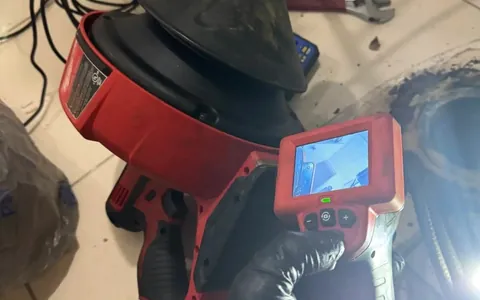
If the home has a history of sewer problems, a post-storm sewer camera inspection can show whether the line is clear or whether roots, debris, or damage are restricting flow.
Do not run more water if sewage is actively backing up. Stop using fixtures and call for help.
7. Inspect the water heater before heavy use
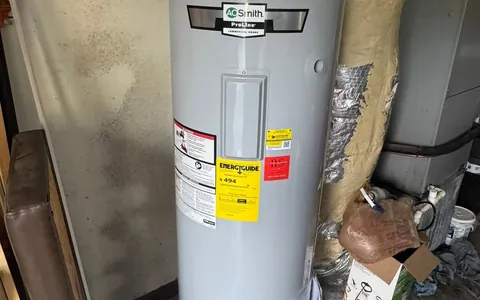
Water heaters can be affected by flooding, power interruptions, sediment disturbance, and pressure changes. For an electric unit, make sure the area is dry and the electrical supply is safe before restoring power.
For any tank unit, look for:
- Water around the base.
- Rust streaks or new corrosion.
- A tilted or shifted tank.
- Damaged venting or connections.
- Unusual popping, rumbling, or hissing after restart.
- Hot water that looks cloudy, rusty, or smells unusual.
If the unit was exposed to floodwater or stopped working after the storm, schedule a water heater inspection before repeated use. A tank that seems functional may still have a damaged control, valve, or connection.
8. Look for hidden leaks inside the home
Storm-related plumbing damage is not always dramatic. Sometimes it appears as a slow leak behind a wall, under a cabinet, or around a fixture.
Check:
- Ceilings for new stains or bubbling paint.
- Baseboards for swelling or separation.
- Cabinets under sinks for dampness.
- Toilet bases for movement or moisture.
- Flooring near tubs, showers, and laundry connections.
- The water meter for movement when fixtures are off.
A musty odor in the days after a storm can also indicate trapped moisture. Catching a small leak early can prevent mold and larger repairs.
9. Know when the problem is an emergency
Some post-storm issues can wait for normal scheduling. Others should be handled immediately.
Call for emergency plumbing service if you have:
- Sewage backing into the home.
- A burst pipe or active leak you cannot isolate.
- No water service because of a damaged private line.
- A flooded water heater area with safety concerns.
- A strong sewer odor with gurgling or backup.
- Water near electrical components or behind finished walls.
Fast shutoff and diagnosis can limit damage. If you can safely turn off the main water supply, do so while waiting for help.
10. Use the storm as a maintenance reminder
Once the immediate recovery is over, take a few steps that will make the next storm easier:
- Make sure every adult in the home knows where the main shutoff valve is.
- Exercise the shutoff valve so it does not seize.
- Replace missing cleanout caps.
- Clear yard drains and keep debris away from the meter box.
- Schedule drain or sewer maintenance before peak storm season if the home has a history of clogs.
- Keep photos of plumbing areas for insurance documentation.
- Address small leaks and aging supply lines before they become storm-week emergencies.
A storm does not have to cause a plumbing failure to reveal one. Often it simply exposes a weak point that was already there.
FAQs
Should I turn my water back on right after a hurricane?
Only after confirming the home is safe, checking for visible plumbing damage, and making sure there is no reason to keep the system off. Open the main valve slowly and monitor for leaks, pressure problems, or unusual sounds.
Is it normal for drains to gurgle after heavy rain?
Occasional minor sounds can happen, but repeated gurgling, slow drainage, or odor after storms can indicate a venting issue, partial blockage, or sewer line problem. If more than one fixture is affected, have it checked.
Can floodwater damage a water heater?
Yes. Floodwater can affect controls, valves, wiring, insulation, and combustion components. Do not restart a flooded or questionable unit until it has been inspected.
What should I do after a boil water notice is lifted?
Follow your utility’s instructions. In general, flush taps, discard questionable ice, and clean fixture aerators if needed. Local guidance may vary by system and type of notice.
When should I schedule a sewer camera inspection after a storm?
Schedule one if the home has repeated backups, storm-related odor, gurgling fixtures, mature trees near the sewer path, or a history of roots or older pipe. Camera footage helps determine whether cleaning, repair, or monitoring is the right next step.
Bottom line
After a hurricane, the obvious damage is not always the only damage. Water lines, sewer lines, drains, shutoff valves, and water heaters can all be affected by pressure changes, flooding, debris, and saturated soil.
R Stud Plumbing serves Jacksonville, Orange Park, St. Augustine, and surrounding Northeast Florida communities with post-storm plumbing inspections, urgent repairs, and clear next-step recommendations. Call (904) 868-2319 or request service online if your home shows signs of storm-related plumbing trouble.
Need plumbing service?
Request service online or call our team for installation, repair, and maintenance.
Ready when you are
Plumbing emergency? We're on the way.
(904) 868-2319Call (904) 868-2319 or request service online — fast, reliable service every day of the year.
Big repair? Financing is available through Wisetack — see if you prequalify .