
Repiping polybutylene plumbing: how long it lasts and when to replace it
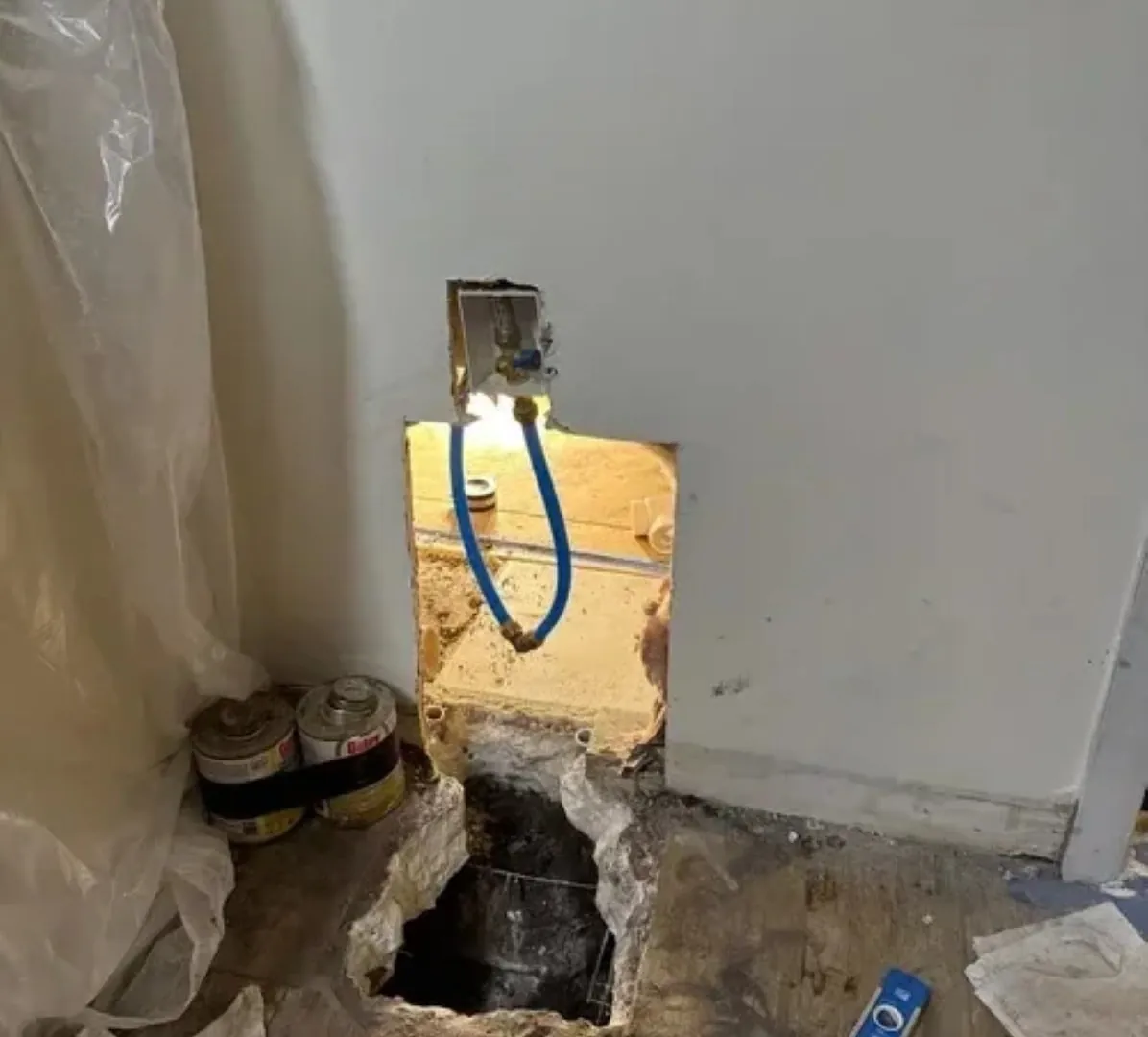
You might have heard the term “polybutylene” from a home inspector, a neighbor, or even another plumber. It often comes up when you own a home built in a certain period, and it leaves you wondering if it’s something you really need to worry about.
I’ve seen this question come up plenty of times.
So let’s walk through how to identify this piping, how long it actually lasts, and how to decide what to do about it.
The short answer is that polybutylene plumbing has a typical lifespan of 10 to 15 years before it starts to leak or burst. Builders installed this specific plastic pipe in homes across the country from the late 1970s through the mid-1990s.
If your house still has it, you’re living on borrowed time, as most of these systems are now 30 years old or more.
What affects the lifespan of polybutylene plumbing?
The main problem with polybutylene is how it reacts with the chemicals in our drinking water.
Chlorine and chloramine, which are used to treat municipal water supplies, slowly degrade the pipe’s internal structure.
This process happens from the inside out, so the pipe can look perfectly fine on the outside right up until the moment it fails.
This isn’t a problem for some far-off place. Builders put up a lot of homes here in Jacksonville in the 1980s. That puts them squarely in the polybutylene era.
You might see some visible “stress whitening” on the pipe, especially at bends or near fittings, but you can’t count on it. The degradation is invisible.
Waiting for a leak to tell you there’s a problem is just asking for a disaster to happen.
How to know if you have polybutylene pipes
So, how can you tell if this is what’s in your walls? You can often identify polybutylene without having to call a plumber.
- Look for the stamp: The pipe is usually stamped with the code PB2110.
- Check the color: It’s most often a light gray color, but we’ve also seen it in white, silver, black, or even blue. The blue pipe was typically used for the main water line coming into the house.
- Feel the pipe: It’s a slightly flexible plastic pipe, usually between a half-inch and one inch in diameter. You’ll only find it on your hot and cold water supply lines, never on drains or vents.
Some people will tell you, “It’s never leaked, so it’s fine.” The fact that it hasn’t failed yet doesn’t mean it’s safe.
Yes. A chemical reaction has been happening inside that pipe for decades, and it affects the whole system.
Ignoring what’s out of sight is one of those things that gets more expensive the longer you wait.
Should you repair or replace your polybutylene plumbing?
When I find polybutylene in a customer’s home, the conversation quickly turns to “do we fix this one leak or repipe the whole house?”
My recommendation is usually to replace it.
Because the chemical degradation affects the entire plumbing system, patching one leak is a losing game. Another one is likely to spring up somewhere else.
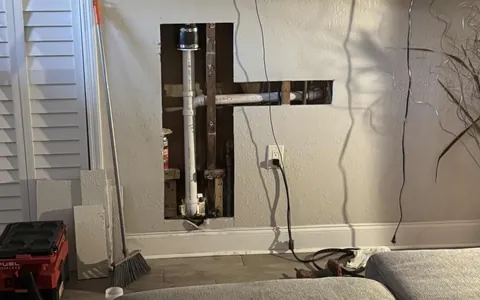
A full repipe is the only real solution. We can give you a clear quote for a whole-house repipe so you know exactly what’s involved.
When we do a repipe, we usually use PEX tubing. In my experience, PEX-A is the best choice for the job, especially here in Jacksonville.
We have to protect any pipes we run through an attic or other unheated space against freezing. It does get cold enough here for that to be a real concern under our local building codes.
PEX-A material is more flexible and handles expansion from freezing water much better than older materials or even other types of PEX, which helps prevent splits and bursts.
If you think you have polybutylene pipes or you’ve just had one spring a leak, give R Stud Plumbing a call. We can confirm what kind of pipes you have and lay out your options clearly.
We’re here 24/7.

Need plumbing service?
Request service online or call our team for installation, repair, and maintenance.
Ready when you are
Plumbing emergency? We're on the way.
(904) 868-2319Call (904) 868-2319 or request service online — fast, reliable service every day of the year.
Big repair? Financing is available through Wisetack — see if you prequalify .